Page 25 - Utah Science Textbook
P. 25
Solids
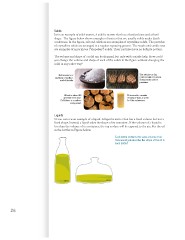
Ice is an example of solid matter. A solid is matter that has a fixed volume and a fixed
shape. The figure below shows examples of matter that are usually solids under Earth
conditions. In the figure, salt and cellulose are examples of crystalline solids. The particles
of crystalline solids are arranged in a regular repeating pattern. The steaks and candle wax
are examples of amorphous ("shapeless") solids. Their particles have no definite pattern.
The volume and shape of a solid can be changed, but only with outside help. How could
you change the volume and shape of each of the solids in the figure without changing the
solid in any other way?
Liquids
Ocean water is an example of a liquid. A liquid is matter that has a fixed volume but not a
fixed shape. Instead, a liquid takes the shape of its container. If the volume of a liquid is
less than the volume of its container, the top surface will be exposed to the air, like the oil
in the bottles in Figure below.
Each bottle contains the same volume of oil.
How would you describe the shape of the oil in
each bottle?
26
Ice is an example of solid matter. A solid is matter that has a fixed volume and a fixed
shape. The figure below shows examples of matter that are usually solids under Earth
conditions. In the figure, salt and cellulose are examples of crystalline solids. The particles
of crystalline solids are arranged in a regular repeating pattern. The steaks and candle wax
are examples of amorphous ("shapeless") solids. Their particles have no definite pattern.
The volume and shape of a solid can be changed, but only with outside help. How could
you change the volume and shape of each of the solids in the figure without changing the
solid in any other way?
Liquids
Ocean water is an example of a liquid. A liquid is matter that has a fixed volume but not a
fixed shape. Instead, a liquid takes the shape of its container. If the volume of a liquid is
less than the volume of its container, the top surface will be exposed to the air, like the oil
in the bottles in Figure below.
Each bottle contains the same volume of oil.
How would you describe the shape of the oil in
each bottle?
26